
Qatar’s energy minister on Thursday warned that the ongoing conflict in the Middle East could “bring down” world economies and that the Gulf energy exporters would shut down production within weeks.
Energy minister, Saad al-Kaabi, told Financial Times in an interview that the current war will have a drastic effect on the economies of the world. “If this war continues for a few weeks, GDP growth around the world will be impacted. Everybody’s energy price is going to go higher,” he said.
The minister further predicted that there will be a shortage of some products and there will be a chain reaction of factories that cannot supply.
The current conflict in the Middle East began with the US and Israel’s attack on Iran and Iran launching a counterattack on US military bases, including in Qatar.
Kaabi forecasted that crude oil prices could soar to $150 a barrel in 2-3 weeks if tankers and other merchant vessels are unable to pass through the Strait of Hormuz. Hormuz is the narrow passageway used by ships to transport oil.
He predicted that gas prices would rise to $40 per million British thermal units (€117 per MWh) — almost four times the level they were before the war began.
Also read: India moves to shield import-export as conflict threatens energy and trade routes
Brent crude oil rose to $87 on Friday, the highest since April 2024. Crude oil price was up 4%.
Gulf exporters could shut down
Talking about the exporters in the Gulf region, he said that they will have to call a force majeure, which allows parties to avoid liability for failing to meet contractual obligations due to unforeseen circumstances. Kaabi said that those exporters who have not called for force majeure will “do so in the next few days.”
“If they don’t, they are at some point going to pay the liability for that legally, and that’s their choice,” he added.
Kaabi’s comments highlight the rising concerns about the economic repercussions of the ongoing conflict. This comes at a time when US President Donald Trump and Israeli officials have warned that the war could last weeks as they aim to destroy the Islamic regime.
Also read: Russia ready to help India with energy supply amid disruption in Middle East: Report
Qatar LNG supply disruption
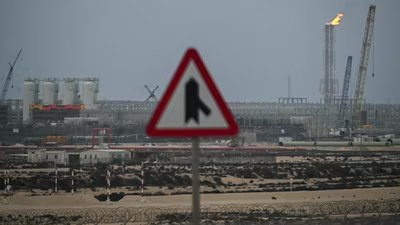
Kaabi, who is also chief executive of QatarEnergy, also reflected on the situation of Qatar as the world’s second-largest producer of LNG. The country declared force majeure this week after the strike at its Ras Laffan plant.
Production in Qatar will not restart until there is a complete cessation of hostilities, he said.
He said that it would take Qatar “weeks to months” to return to a normal cycle of deliveries following an Iranian drone strike at its largest liquefied natural gas plant.
While Qatar exports only a limited share of its gas exports to Europe, the energy minister warned that the continent could still face significant challenges as Asian buyers are likely to outbid European countries for the available gas in global markets. This will be after other Gulf nations may struggle to fulfil their existing contractual commitments.