We wish we could agree with Matthew Kroenig’s assessment that the Trump administration is serious about defeating Beijing (Letters, Dec. 20). Whatever virtue the national security strategy may contain, two recent moves by the administration run counter to its logic and put wind in the sails of the Communist Party’s ambitions to eclipse the U.S. as the world’s leading power.
First, the NSS rightly warns against “hostile foreign influence” in the form of “destructive propaganda” and “cultural subversion.” Yet President Trump is sidestepping the clearest remedy to the most egregious vector for such influence: TikTok. Congress passed, and the Supreme Court unanimously upheld, a law requiring the app’s Chinese owner, ByteDance, to divest and relinquish operational control of the U.S. business or be banned. The emerging deal in Washington allows ByteDance to maintain a significant stake and appears to preserve Chinese control over the algorithm that shapes the media diets of more than a third of Americans, cementing Beijing’s ability to manipulate U.S. public opinion on everything from Taiwan to the midterm elections.
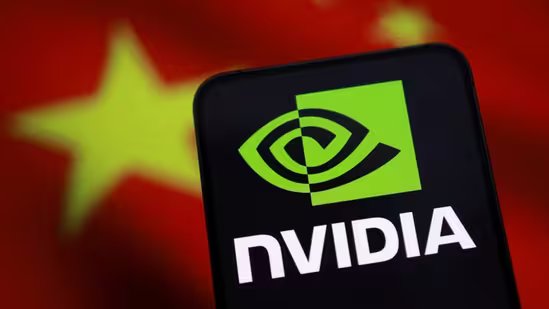
Second, though the NSS rightly calls to maintain “technological preeminence,” the president’s decision to allow Nvidia to sell its H200 chips to China directly contradicts that goal. The deal may boost the company’s market share there, but it represents a strategic own goal for the U.S. Easier access to our chips accelerates Beijing’s dual-track strategy of leveraging advanced foreign hardware to rectify near-term deficiencies in AI training while pursuing semiconductor independence. The H200 fills the most consequential gap in China’s AI ecosystem: high-end training compute it can’t yet produce at scale.
Unsurprisingly, Washington’s concession hasn’t moderated Beijing’s indigenization drive. Chinese authorities are reportedly weighing $70 billion in new incentives for domestic chipmaking while limiting how many foreign chips state-funded data centers can purchase to ensure sufficient demand for local alternatives. The notion that China will stay “hooked” on our AI stack flies in the face of everything we know about Beijing’s drive for self-reliance.
Taken together, the TikTok and H200 decisions reveal a fundamental inconsistency: While the NSS promises to counter China’s technological dominance, the administration is granting Beijing exactly what it wants: sustained influence over our information and access to advanced AI chips. Washington is negotiating against itself, and Beijing is the only winner.
Liza Tobin and Addis Goldman
Washington and Seattle
Ms. Tobin served as China director on the National Security Council (2019-21).

All Access.
One Subscription.
Get 360° coverage—from daily headlines
to 100 year archives.

E-Paper

Full Archives

Full Access to
HT App & Website

Games
Already subscribed? Login