
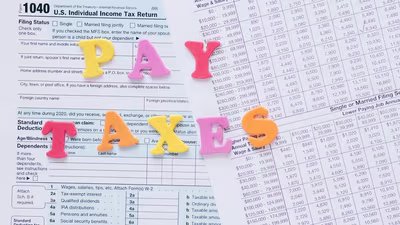
The Internal Revenue Service (IRS) has set April 15, 2026, as the final federal tax filing deadline for most US taxpayers. However, taxpayers who cannot meet this deadline can request an automatic six-month extension by submitting Form 4868 to the IRS.
The extension then moves the filing deadline to October 15, 2026, for calendar-year filers. However, it is important to note that an extension gives more time to file, but not more time to pay. If someone owes taxes, those still have to be paid by April 15 to avoid penalties and interest.
What is Form 4868?
IRS Form 4868, ‘Application for Automatic Extension of Time To File U.S. Individual Income Tax Return,’ offers taxpayers an automatic six-month extension to file Form 1040, officially the U.S. Individual Income Tax Return.
The IRS says, “An extension request using Form 4868 gives you until Oct. 15 to file your federal tax return. To avoid penalties, file the extension and pay any balance due by the April 15 deadline. The extension is only for filing your return.”
It adds, “You can file a request for extension using Guided Tax Software or Free File Fillable Forms online.”
Read More | IRS alert: Warning issued for people claiming 2 specific tax credits – what to know
Form 4868 can either be filed electronically through IRS-approved e-file providers, or by mailing a paper form. Many taxpayers even qualify for automatic extensions when they make an electronic payment through IRS Direct Pay or the Electronic Federal Tax Payment System (EFTPS).
Failing to pay by the original deadline results in interest charges, even if an extension is approved.
What happens if you miss the April 15 deadline?
People who put off filing their taxes may have to deal with late fees and other issues, with Investment Property Exchange Services reporting that over 31% of workers admit to waiting to do their taxes.
“First, you may face a failure-to-file penalty. This is equal to 5% of the taxes you haven’t paid less any available credits, charged monthly for up to 5 months,” read Fidelity’s website. “If you’re more than 60 days late, the minimum penalty is the smaller of 100% of the taxes you owe or $485.”
Read More | 2026 filing season: IRS issues ‘spike’ warning ahead of Presidents Day, ‘Calls to IRS phone lines often…’
“You could also get hit with a failure-to-pay penalty. This one is assessed at the smaller rate of 0.5% of your unpaid taxes, but it’s reapplied each month until you max out at 25% of your unpaid balance,” continued Fidelity. “If you owe both penalties in a given month, the failure-to-file penalty is reduced so that you are not paying more than 5% in penalties each month.”
The IRS has laid out a process for requesting a tax filing extension through various methods. Any of these will push your tax filing deadline to Thursday, October 15.