
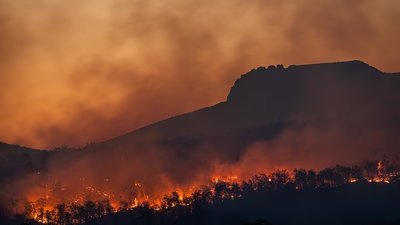
The National Weather Service (NWS) has issued a Fire Weather Watch for portions of northern Illinois, including the Chicago Metropolitan area. The fire warning is in place for Wednesday, February 18.
Officials have warned citizens about outdoor burning activities and the possibility of catastrophic fire situations developing quickly if ignition sources are present due to the mix of warm air, strong winds, and unusually dry circumstances.
Read more: What is ‘icequake’ and could the phenomenon hit Chicago area this week?
What is the weather conditions contributing to Chicago’s fire watch?
The NBC 5 Storm Team predicts high temperatures on Wednesday that will reach the mid-to-upper 60s, which is much higher than the Chicago region’s mid-February seasonal averages.
Throughout the day, continuous winds might reach up to 25 miles per hour, with fierce gusts of wind reaching over 40 miles per hour at several points. These strong air currents provide the ideal means of spreading fire if fire is started by natural or man-made causes.
According to the prediction, relative humidity will drop to about 15% on Wednesday. One of nature’s natural fire suppressants is eliminated by this very dry air, making it easier for plants and other possible fuel sources to ignite and for flames to spread and intensify once they do.
Read more: James Heidorn GoFundMe: Chicago teacher loses job over 2-word post backing ICE
Watch map and what residents should do?
The map on watch duty shows areas in northern Illinois under “Evacuation warning.” According to the map, the area is in substantial danger. It is suggested that people in the area be ready and get to a secure location and adhere to the evacuation plan at a moment’s notice.
According to Rolling Out, authorities have urged residents to:
- Avoid outdoor burning or open flames during the watch period.
- Residents should make sure to notify emergency personnel right away if they see any smoke or flames.
- Monitor local forecasts and alerts, including fire weather outlooks and possible red flag warnings.