
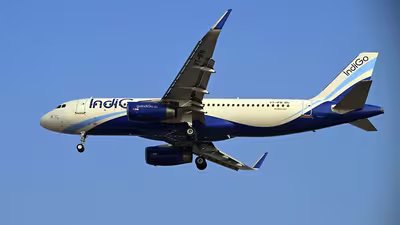
Several Indian airlines, including Air India, IndiGo and Akasa Air, have introduced fuel surcharges on domestic and international flights as aviation turbine fuel (ATF) prices climb amid the ongoing conflict in West Asia. The crisis, caused by a military conflict between Iran and the United States, backed by Israel, will now raise the cost of air travel in India.
Willie Walsh, director general of the International Air Transport Association industry group, earlier told news agency Reuters that airfares could rise by up to 9%. Follow Iran-US war live updates here.
ALSO READ | Planning a trip this summer? How rising jet fuel prices could push up flight fares
Notably, fuel costs account for roughly one-quarter of airlines’ total costs. At the same time, more flights are seeking routes that avoid West Asia, which is also driving up ticket prices.
Air India, IndiGo, Akasa Air announce fuel surcharge: What is it?
A fuel surcharge is an additional fee added to an airline ticket to cover rising fuel costs, especially when jet fuel prices rise sharply.
Some airlines manage sudden price increases through fuel hedging, a method that lets them secure fuel prices months or even years in advance.
However, not every airline follows this approach, and even those that do are usually covered only for part of their fuel requirements. If prices remain high for a long time, more airlines may raise fares.
Airlines usually introduce or raise this charge when fuel prices climb, as aviation fuel is one of their highest operating costs, according to reports.
Meanwhile, airspace closures have also forced airlines to divert flights around parts of West Asia. This leads to longer flight paths, more fuel use and higher operating expenses.
The surcharge is normally charged separately from the base airfare and increases the overall price passengers pay for a ticket.
How much fuel surcharge will be charged for Air India, IndiGo, and Akasa Air flights?
The three airlines have announced fuel surcharges to deal with rising fuel costs. Here is how much extra you will have to pay when booking tickets:
Air India
- Air India and Air India Express have announced a fuel surcharge of ₹399 on each domestic flight ticket from March 12 and have also increased the charge for international bookings.
- In the first phase, a fuel surcharge of ₹399 per domestic flight ticket is being applied from March 12. The same charge will also apply to SAARC flights, a statement said.
- For West Asia flights, the fuel surcharge will be USD 10. For Africa services, it will rise by USD 30 to USD 90.
- For Southeast Asia flights, the charge will increase by USD 20 to USD 60.
- In the second phase, Air India will raise the fuel surcharge by USD 25 to USD 50 for flights to Europe, North America and Australia from March 18. The surcharge for European flights will increase to USD 125 from USD 100. For North America flights, it will rise from USD 150 to USD 200.
ALSO READ | From Air India to Qantas: Airlines hiking fares as fuel prices soar amid US-Iran war
Why are airlines introducing fuel surcharge?
Airlines are adding fuel surcharges as aviation turbine fuel (ATF) prices continue to rise.
The conflict in West Asia has disrupted oil exports and pushed major producers such as Kuwait, Saudi Arabia and Iraq to cut output as shipments face increasing difficulties.
Iran has carried out attacks on commercial ships across the Persian Gulf and has also struck oil facilities in Gulf Arab countries after US and Israeli strikes.
These attacks have largely stopped movement through the Strait of Hormuz, a narrow route that handles about one-fifth of the world’s oil supply.
Sharp fluctuations in crude oil prices, which have also pushed retail petrol prices higher, have similarly affected jet fuel prices.
Several airlines are avoiding West Asian and nearby airspace because of security concerns. This has forced flights to take longer alternative routes that cost more to operate.
Among international carriers, Cathay Pacific plans to raise its passenger fuel surcharge on long-haul flights to HK$1,164 from March 18, doubling the current charge. Other airlines have also taken similar steps.
With inputs from agencies