
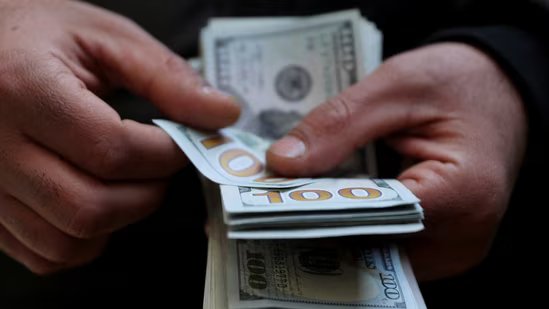
Widespread protests by traders and shopkeepers broke out in several major cities after Iran’s currency, the rial, plunged to an all-time low against the US dollar. This also comes after President Masoud Pezeshkian said on Saturday, December 27, ahead of Israeli Prime Minister Benjamin Netanyahu’s meeting with US President Donald Trump on Monday, December 29, that the nation is in a “full-scale war” with the United States.
“We are in a full-scale war with the US, Israel, and Europe; they don’t want our country to remain stable,” said Pezeshkian, according to the Associated Press. “If the enemy chooses confrontation, they will naturally face a more decisive response.”
Read More | US President Trump warns Iran of major strike if weapons programs resume
The protests were sparked by the currency plunge. Mohammad Reza Farzin, head of Iran’s Central Bank, resigned on Monday amid the unrest.
Roads in Iran’s capital city, Tehran, were filled with protesters. Demonstrators disrupted traffic and clogged roadways, Newsweek reported.
The currency crisis and protests
The rial’s rapid decline has increased economic hardships for average Iranians. The cost of food, medicine and daily essentials have risen significantly as a result of the currency’s decline – from around 430,000 to the dollar when Farzin took office in 2022 to 1.38 million per dollar this week.
The crisis pushed the inflation rate to 42.2 percent year-over-year. Food prices rose by 72 percent, and health and medical items by as much as 50 percent.
Read More | Iran Central Bank governor resigns as protests erupt over currency drop
The Iranian government’s announcement of potential new taxes in the new year, which begins on March 21, has only increased the uncertainty. According to state data, inflation is surging far beyond wage growth.
On Monday, hundreds of traders and shopkeepers protested on Saadi Street in central Tehran, as well as other commercial districts such as Shush, near the city’s Grand Bazaar. Protests have spread to Isfahan, Shiraz and Mashhad too, according to Iran’s official IRNA news agency.
Police reportedly used tear gas to disperse crowds in various areas. Several shop closures were also reported.
Maryam Rajavi, Iranian dissident politician, said in a statement to Newsweek by a spokesperson with Mojahedin-e-Khalq (MEK), an exiled Iranian opposition group, “Through their slogans, the protesters have pointed both to the root of the problem-the vile system of religious dictatorship-and to the solution, namely resistance and uprising. I call on the general public, especially militant and rebellious youth, to show solidarity with and support the protesters.”