
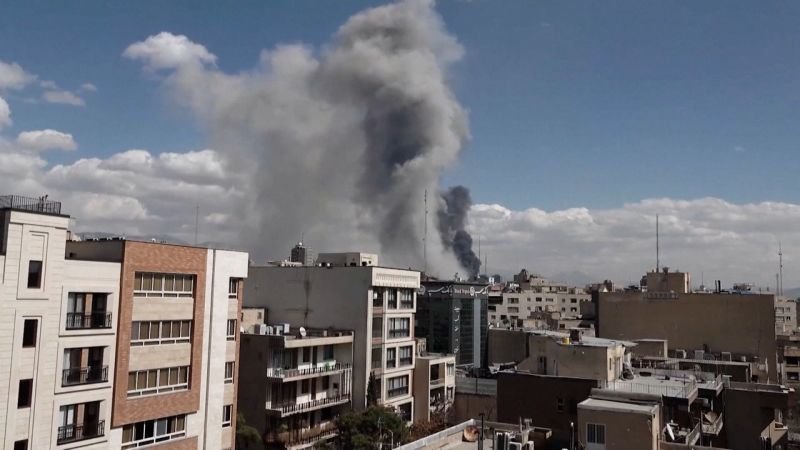

Dubai was almost unrecognizable on Sunday.
On a winter weekend – peak tourist season – the city’s beaches, malls and hotel brunches would normally be full. Instead, highways were largely empty and the sky was clear of the constant stream of arriving and departing aircraft. Dubai Marine, normally filled with yachts and boat parties, sat unsually still.
For many residents, it felt like a return to the Covid-19 lockdowns six years ago, when one of the world’s busiest transit hubs abruptly fell silent. Schools in the city have once again shifted online, and families are staying indoors.
“We feel like it’s Covid days. Quiet, sunny, birds chirping and no sounds of traffic or planes flying,” said Paul Devitt, a CNN videographer in Abu Dhabi.
Some residents made quick trips to supermarkets to stock up. Grocery delivery apps reported delays as demand surged. In neighborhoods that are usually crowded well into the evening, streets were empty.

With the UAE’s airspace closed, some people drove to quieter parts of the country. In Hatta, near the Omani border, at least one hotel turned a conference room into a makeshift shelter for tourists who had checked out but were unable to fly home. Some newly arrived guests said they were moving their families away from parts of Dubai that had come under attack.
Others crossed into Oman by road, at least initially the only country in the region untouched by Saturday’s Iranian strikes. On Sunday, however, Omani authorities said two drones had targeted a port there.
Dubai, a city that prides itself on safety and stability, has no public bomb shelters. Many residents instead spent Saturday night in underground parking garages. Parents shielded anxious children from the reality of the explosions overhead.
Several told their young sons and daughters that the blasts were Ramadan fireworks or cannons, traditionally fired at iftar time in Muslim countries.
Eleni Giokos contributed to this report.