
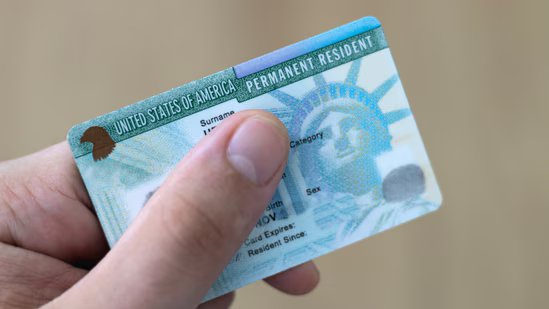
The US has recently implemented a significant change to its travel and immigration policy, resulting in immediate effects for non-citizens, including Green Card holders. Starting from December 26, 2025, entering US borders will involve more stringent checks and an expanded biometric footprint.
It is reasonable to anticipate an increase in the number of photographs, fingerprints, and detailed inspections each time you travel. For some Green Card holders – particularly those from nations under observation—the experience could feel more like an interview than a simple vacation.
Also Read: H-1B holder gets shocking ‘visa revocation’ notice just days before return flight to US
US new biometric rule and its impact on travellers
The US Department of Homeland Security (DHS) recently declared the release of the Notice of Final Rule entitled “Collection of Biometric Data from Aliens Upon Entry to and Departure from the United States.”
All noncitizens will have their face biometrics collected by US Customs and Border Protection (CBP) at airports, land ports, seaports, and other designated points of entry and departure under the updated policy.
Earlier exclusions, including those for diplomats and most Canadian visitors, have been removed.
Acting Executive Assistant Commissioner Diane J. Sabatino stated in a CBP release that this final rule represents a significant milestone in the efforts to effectively implement the Biometric Entry/Exit mandate and enhance the security of the US.
“With increased funding to support this critical mission, we will continue to expand facial biometrics and advanced technology for identity verification to further secure and innovate the entry/exit process at air, land, and sea.”
Compulsory photos at every crossing:
Facial photographs, which were previously restricted to pilot locations, will now be captured at every entry and exit point nationwide.
No more age or diplomatic exemptions:
Children, elderly individuals, diplomats, and the majority of Canadian visitors will no longer be exempt from biometric screening requirements.
All travel modes covered:
The program now encompasses private aircraft, maritime routes, vehicle crossings, and pedestrian exits, extending beyond just airports.
Fingerprints and iris scans:
CBP officers may also gather fingerprints and iris scans, which will be verified through the Traveller Verification Service associated with travel documents.
Older applications again under review:
Immigration authorities are permitted to reassess green-card and visa applications submitted as early as 2021, including those that have already been approved.
Extended border procedures:
Travellers should anticipate more thorough questioning, document verification, and potential delays for pending or future applications.
Are US citizens required to participate in new biometric entry-exit program?
The CPB has said that participation in the new biometric entry-exit program is not mandatory for US citizens. Nevertheless, they have the option to voluntarily enroll or to opt for the traditional manual passport inspection when entering or exiting the US.
Green card holders from 19 nations to face more scrutiny
According to USCIS guidelines mentioned in public policy documents, holders of green cards from 19 certain nations may be subject to additional screening procedures. Afghanistan, Burma (Myanmar), Chad, Equatorial Guinea, Eritrea, Haiti, Iran, Libya, Somalia, Sudan, Yemen, Burundi, Cuba, Laos, Sierra Leone, Togo, Turkmenistan, and Venezuela are among the nations impacted.