
US-Iran tensions live: US-Iran nuclear talks resume in Geneva amid Donald Trump’s ‘never allow’ warning
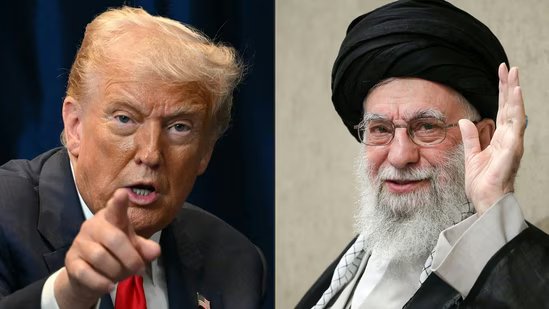
US Iran tensions live updates: The United States and Iran are set to meet in Geneva on Thursday for the third round of nuclear negotiations this month, even as US President Donald Trump intensifies military pressure and reiterates his warning that Washington will not allow Tehran to acquire nuclear weapons.
The latest round of indirect talks comes amid a significant US military buildup in the Middle East. The two sides are attempting to break a decades-long deadlock over Iran’s nuclear programme — one that Washington, Western powers and Israel believe is aimed at developing nuclear arms. Tehran has consistently denied the charge, maintaining that its programme is for peaceful purposes.
US Special Envoy Steve Witkoff and President Trump’s son-in-law Jared Kushner are expected to participate in the discussions, alongside Iran’s foreign minister Abbas Araqchi, a US official told news agency Reuters. Oman’s foreign minister Badr Albusaidi will once again mediate the talks, following a previous round held in Geneva last week.
International Atomic Energy Agency (IAEA) chief Rafael Grossi is also expected in Geneva during the talks, as he was last week, to hold discussions with both delegations.
US-Iran’s diplomacy under pressure
The negotiations are unfolding against a tense backdrop. In June last year, the United States joined Israel in striking Iranian nuclear sites. Since then, Iran has warned it would retaliate forcefully if attacked again.
Trump, who is serving his second term as US President after winning the 2025 election, addressed the issue during his State of the Union speech to Congress on Tuesday. He made clear that while diplomacy is his preferred path, military action remains an option.
“My preference is to solve this problem through diplomacy—but one thing is certain: I will NEVER allow the world’s number one sponsor of terror, which they are, by far, to have a nuclear weapon,” Trump said.
He repeated the warning in categorical terms: “But one thing is certain. I will never allow the world’s number one sponsor of terror, which they are by far, to have a nuclear weapon. Can’t let that happen.”
Trump also said Iran wants “to make a deal,” but added that Washington has yet to hear what he called the “secret words” — a firm declaration that “We will never build a nuclear weapon.”
Earlier, on February 19, Trump had set a tight timeline, saying Iran must reach an agreement within 10 to 15 days or face consequences, warning that “really bad things” would otherwise happen.
Tehran signals flexibility, but draws red lines
On the Iranian side, Araqchi has said that a deal remains possible only if diplomacy is prioritised. “A deal is within reach, but only if diplomacy is given priority,” Araqchi said in a statement on X.
He has also stressed that while Iran seeks a “fair” and swift agreement, it will not give up what it describes as its right to peaceful nuclear technology.
High-stakes for Iran
According to a Reuters report on Sunday, Tehran has offered fresh concessions in exchange for sanctions relief and formal recognition of its right to enrich uranium.
Yet significant gaps remain. A senior Iranian official told Reuters that both sides are still deeply divided, including over the scope and sequencing of relief from crippling US sanctions.
The stakes are high for both governments. Within Iran, Supreme Leader Ayatollah Ali Khamenei is navigating what analysts describe as one of the most challenging periods of his 36-year rule. The Iranian economy is under severe strain from tightened sanctions, while renewed protests have erupted following major unrest and a bloody crackdown in January.
…Read More
The latest round of indirect talks comes amid a significant US military buildup in the Middle East. The two sides are attempting to break a decades-long deadlock over Iran’s nuclear programme — one that Washington, Western powers and Israel believe is aimed at developing nuclear arms. Tehran has consistently denied the charge, maintaining that its programme is for peaceful purposes.
US Special Envoy Steve Witkoff and President Trump’s son-in-law Jared Kushner are expected to participate in the discussions, alongside Iran’s foreign minister Abbas Araqchi, a US official told news agency Reuters. Oman’s foreign minister Badr Albusaidi will once again mediate the talks, following a previous round held in Geneva last week.
International Atomic Energy Agency (IAEA) chief Rafael Grossi is also expected in Geneva during the talks, as he was last week, to hold discussions with both delegations.
US-Iran’s diplomacy under pressure
The negotiations are unfolding against a tense backdrop. In June last year, the United States joined Israel in striking Iranian nuclear sites. Since then, Iran has warned it would retaliate forcefully if attacked again.
Trump, who is serving his second term as US President after winning the 2025 election, addressed the issue during his State of the Union speech to Congress on Tuesday. He made clear that while diplomacy is his preferred path, military action remains an option.
“My preference is to solve this problem through diplomacy—but one thing is certain: I will NEVER allow the world’s number one sponsor of terror, which they are, by far, to have a nuclear weapon,” Trump said.
He repeated the warning in categorical terms: “But one thing is certain. I will never allow the world’s number one sponsor of terror, which they are by far, to have a nuclear weapon. Can’t let that happen.”
Trump also said Iran wants “to make a deal,” but added that Washington has yet to hear what he called the “secret words” — a firm declaration that “We will never build a nuclear weapon.”
Earlier, on February 19, Trump had set a tight timeline, saying Iran must reach an agreement within 10 to 15 days or face consequences, warning that “really bad things” would otherwise happen.
Tehran signals flexibility, but draws red lines
On the Iranian side, Araqchi has said that a deal remains possible only if diplomacy is prioritised. “A deal is within reach, but only if diplomacy is given priority,” Araqchi said in a statement on X.
He has also stressed that while Iran seeks a “fair” and swift agreement, it will not give up what it describes as its right to peaceful nuclear technology.
High-stakes for Iran
According to a Reuters report on Sunday, Tehran has offered fresh concessions in exchange for sanctions relief and formal recognition of its right to enrich uranium.
Yet significant gaps remain. A senior Iranian official told Reuters that both sides are still deeply divided, including over the scope and sequencing of relief from crippling US sanctions.
The stakes are high for both governments. Within Iran, Supreme Leader Ayatollah Ali Khamenei is navigating what analysts describe as one of the most challenging periods of his 36-year rule. The Iranian economy is under severe strain from tightened sanctions, while renewed protests have erupted following major unrest and a bloody crackdown in January.
Follow all the updates here:
Feb 26, 2026 8:28:21 AM IST
US-Iran tensions live updates: Rubio says Trump hasn’t decided on a strike, progress needed first
US Secretary of State Marco Rubio on Wednesday reiterated that no decision has been made on a potential US military strike against Iran, even as tensions remain high ahead of the latest nuclear talks in Geneva.
Asked whether Thursday’s meeting could be a make-or-break moment for a possible strike, Rubio told reporters that “the president’s made no decision on that, so I don’t know if Thursday’s the key date for that,” reported AFP.
Feb 26, 2026 8:26:43 AM IST
US-Iran tensions live updates: Rubio calls Iran’s refusal to discuss missiles a ‘big problem’
US-Iran tensions live updates: US secretary of state Marco Rubio on Wednesday said Iran’s unwillingness to negotiate over its missile programme poses a serious obstacle, after President Donald Trump alleged Tehran was developing rockets that could eventually reach the United States.
“I would say that the Iranian insistence on not discussing ballistic missiles is a big, big problem,” Rubio told reporters, speaking on the eve of fresh nuclear talks between Washington and Tehran in Geneva, reported AFP.
“The president wants diplomatic solutions. He prefers them greatly,” Rubio said.
He added that while the immediate focus remains the nuclear file, broader concerns cannot be ignored. “Hopefully they’re productive, but eventually we’ll have to have conversations about more than just a nuclear program.”
Feb 26, 2026 8:20:12 AM IST
US-Iran tensions live updates: Talks resume after earlier rounds in Oman, Geneva
US-Iran tensions live updates: The current round of diplomacy follows two earlier meetings this month. The United States and Iran first held talks in Oman, which is mediating the negotiations, before convening for a second round in Geneva last week.
An earlier push for negotiations had collapsed dramatically last June when Israel launched surprise strikes on Iran, triggering a 12-day war. Washington briefly joined the conflict, carrying out strikes on Iranian nuclear sites.
Feb 26, 2026 8:17:49 AM IST
US-Iran tensions live updates: Trump claims Iran developing missiles that could reach US, Tehran responds
US-Iran tensions live updates: In his State of the Union address, US President Donald Trump sharpened his rhetoric against Tehran, accusing Iran of “pursuing sinister nuclear ambitions.”
He went further, claiming that Iran had “already developed missiles that can threaten Europe and our bases overseas, and they’re working to build missiles that will soon reach the United States of America.”
Iran swiftly rejected the allegations. The Iranian foreign ministry described Trump’s claims as “big lies,” pushing back against the suggestion that Tehran is building intercontinental missile capabilities aimed at the US mainland.
Based on Iran’s own public disclosures, the maximum range of its missiles stands at around 2,000 kilometres (1,200 miles). The US Congressional Research Service has estimated their range at roughly 3,000 kilometres, still less than a third of the distance to the continental United States, reported AFP.
Feb 26, 2026 7:59:22 AM IST
US-Iran tensions live updates: Key players to attend Geneva nuclear talks today
US-Iran tensions live updates: The upcoming round of US-Iran nuclear negotiations in Geneva will bring together senior representatives from both sides, along with key international mediators.
On the American side, US special envoy Steve Witkoff is expected to take part in the discussions. President Donald Trump’s son-in-law Jared Kushner will also be present, a US official told news agency Reuters.
Iran will be represented by its foreign minister Abbas Araqchi, who has been leading Tehran’s diplomatic engagement in the renewed talks.
Oman will once again play the role of mediator, with foreign minister Badr Albusaidi facilitating the indirect negotiations. Muscat has been central to backchannel diplomacy between Washington and Tehran, including during the previous round held in Geneva last week.
In addition, International Atomic Energy Agency (IAEA) chief Rafael Grossi is expected to be in Geneva during the talks. As he did last week, Grossi is likely to hold discussions with both delegations.