
Iran and the US reached an understanding on the main “guiding principles” during talks aimed at resolving their long-running nuclear dispute, Iranian Foreign Minister Abbas Araqchi said on Tuesday, cautioning that an agreement was not imminent.
The indirect discussions involved US Special Envoy Steve Witkoff and Jared Kushner, son-in-law of President Donald Trump, alongside Araqchi, and were mediated by Oman.
Follow here for live updates
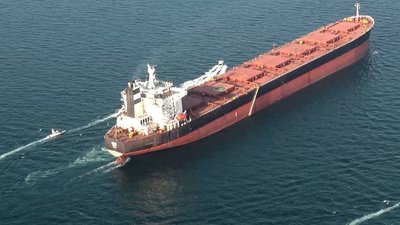
On Monday, Iran conducted a military drill in the Strait of Hormuz, the crucial international waterway through which Gulf Arab states export much of their oil, even as regional countries continued to call for a diplomatic resolution to the dispute.
Also Read | ‘You won’t be able to eliminate Iran’: Khamenei dares Trump as ‘indirect nuclear talks’ begin in Geneva
Here are the top points:
- Oman’s Foreign Minister Badr al-Busaidi said “much work remains,” but added that both sides were leaving the talks with “clear next steps.”
- Iranian Foreign Minister Abbas Araqchi said the parties had reached “broad agreement” on guiding principles and would now move toward drafting the text of a potential deal. He described Tuesday’s discussions as “more constructive” than the previous round earlier this month and said a “new window of opportunity” had opened, expressing hope for a “sustainable” solution that recognises Iran’s “legitimate rights.”
- On Monday, Iran conducted military drills in the Strait of Hormuz, the strategic waterway through which Gulf Arab states export a significant share of their oil. Tehran has previously warned it could shut the strait if attacked, a move that could disrupt roughly a fifth of global oil flows and push crude prices higher.
- US President Donald Trump has repeatedly raised the possibility of military action against Iran, first over Tehran’s crackdown on protesters and more recently over its nuclear programme. Washington has deployed two aircraft carriers to the region, including the USS Abraham Lincoln, which satellite imagery showed operating within range of Iran’s coast. A second carrier was dispatched over the weekend.
- Trump said he would be involved “indirectly” in the Geneva talks and that he believed Tehran wanted an agreement. He warned Iran against rejecting a deal, referencing past deployments of US B-2 bombers. The United States joined Israel last June in strikes on Iranian nuclear facilities.
- Responding to Trump’s remarks about “regime change,” Supreme Leader Ayatollah Ali Khamenei said any US attempt to depose Iran’s government would fail. He dismissed US military claims, saying even the “strongest army” could be struck hard.
- Washington and its allies say Iran’s nuclear activities could enable it to develop a weapon, while Tehran insists its programme is peaceful despite enriching uranium close to weapons-grade levels.
- Iran has said it is open to discussing limits on its nuclear programme in exchange for sanctions relief but has ruled out abandoning uranium enrichment entirely or negotiating over its missile capabilities. Khamenei reiterated that Iran’s missile stockpile is non-negotiable.
- A senior Iranian official said progress would depend on the US avoiding “unrealistic demands” and demonstrating seriousness about lifting sanctions.
- Iran, a signatory to the Nuclear Non-Proliferation Treaty (NPT), says it supports civilian nuclear development under international oversight.